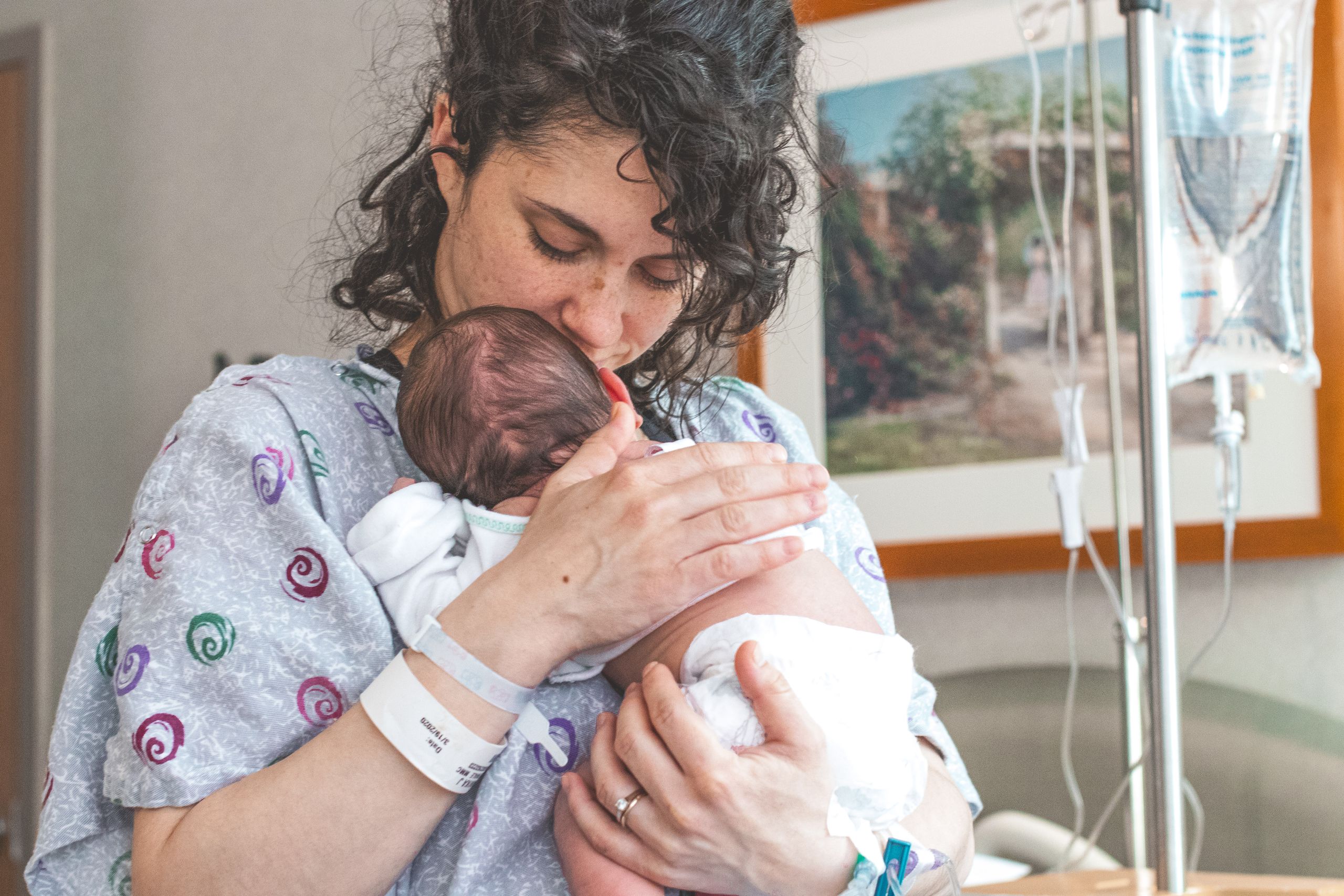
Your Body After Birth: The First 24 Hours
The first 24 hours after birth are a period of enormous physical transition. Pregnancy has ended, but your body does not simply return to its pre-pregnancy state when your baby is born. The uterus begins contracting, blood volume and fluid balance begin shifting, tissues affected by labor and birth start healing, and your cardiovascular, urinary, digestive, and hormonal systems all begin adjusting to postpartum life.
At the same time, you are recovering from labor or surgery, caring for your baby, settling into the hours after birth, and adapting to whatever your own birth experience has brought. Even when birth is uncomplicated, that first day can include bleeding, cramping, soreness, swelling, fatigue, difficulty urinating, incision pain, or other sensations you may not have expected.
Many of these changes are a normal part of early postpartum recovery. Others are important enough that your healthcare team will monitor them closely during the first hours after birth. Understanding the difference can make the first day feel less mysterious and help you know when something deserves more attention.
They are the beginning of postpartum recovery.
Your uterus begins recovering immediately
During pregnancy, the uterus expands dramatically to accommodate a growing baby, placenta, and amniotic fluid. Once the placenta has been delivered, the uterus begins a gradual process of returning toward its pre-pregnancy size. This process, called uterine involution, starts almost immediately after birth and continues for several weeks.
The contractions involved in that process also serve an important purpose in the first hours after delivery. The placenta leaves behind an area of exposed blood vessels where it was attached to the uterine wall. As the uterus contracts, its muscle fibers compress those vessels and help control bleeding. This is one reason your nurse or other healthcare professional may repeatedly feel or press on your abdomen after birth: they are assessing the size, position, and firmness of the uterus and watching for signs that it is not contracting as expected.
You may feel these contractions as afterpains. Some feel similar to menstrual cramps, while others can be considerably stronger. ACOG notes that afterpains tend to be more common in women who have given birth before. They may also become more noticeable during breastfeeding because oxytocin, the hormone involved in milk release, also stimulates uterine contractions. If you are in those very early feeding hours, The First Hours: How to Give Breastfeeding Its Best Start explains what is happening on the feeding side of recovery.
The discomfort is real, but the contractions themselves are part of an important recovery process. If cramping becomes severe, continues to worsen, or is accompanied by other concerning symptoms, your healthcare team should know.
Bleeding after birth: What your body is doing
Vaginal bleeding and discharge after birth are called lochia. Lochia occurs after both vaginal and cesarean births because much of the bleeding comes from the uterus itself as the placental site heals and pregnancy-related tissue is shed. During the first day, lochia is generally red and may resemble a heavy menstrual period. Small clots can also occur.
The amount of bleeding should be watched carefully, however, because the period immediately after birth is also when postpartum hemorrhage is most likely to occur. Uterine atony – when the uterus does not contract firmly enough after delivery — is one important cause of excessive postpartum bleeding. This is another reason your healthcare team repeatedly checks both your bleeding and the firmness of your uterus.
There is a meaningful difference between expected postpartum bleeding and bleeding that is suddenly or unusually heavy. The CDC identifies soaking through one or more pads in an hour, passing clots larger than an egg, or passing tissue as urgent maternal warning signs. If you are still in the hospital or birth center, tell your nurse immediately if your bleeding suddenly increases or simply seems wrong to you.
Postpartum bleeding is expected.
Bleeding that suddenly becomes very heavy is different.
CDC considers bleeding that soaks through one or more pads in an hour, passing clots larger than an egg, or passing tissue an urgent maternal warning sign.
World Health Organization, Recommendations for Postnatal Care.
American College of Obstetricians and Gynecologists (ACOG), Postpartum Warning-Sign and Recovery Guidance.
Centers for Disease Control and Prevention (CDC), Urgent Maternal Warning Signs and Symptoms.
Vaginal and perineal soreness and swelling after birth
After a vaginal birth, the tissues around the vagina and perineum – the area between the vaginal opening and the anus – may be swollen, bruised, tender, or sore. Those tissues undergo considerable stretching and pressure during birth even when no tearing occurs.
If you experienced a perineal tear or had an episiotomy, soreness may be more pronounced and stitches may cause additional tenderness, pulling, or stinging. Sitting, walking, changing positions, and using the bathroom can all feel different during the first hours after delivery. Hemorrhoids – swollen veins in the anus – may also contribute to discomfort.
Cold packs are commonly used during the first 24 to 72 hours because they can help reduce swelling and ease perineal pain. Warm water from a peri bottle can make cleaning more comfortable and may reduce stinging during urination. Pain control does not have to be treated as an afterthought; ACOG specifically recommends discussing postpartum pain-management options with your obstetric healthcare professional.
Pain should generally become more manageable as healing progresses. Severe pain, pain that continues to worsen, or increasing redness, swelling, or discharge from a tear or episiotomy should be brought to a healthcare professional’s attention.
Urination can feel different after birth
Bladder function can temporarily change after delivery. Swelling around the urethra and surrounding tissues, the physical effects of labor, pelvic-floor changes, IV fluids, and reduced sensation after an epidural or other anesthesia can all influence how your bladder feels and functions. You may have difficulty recognizing that your bladder is full, trouble beginning to urinate, or discomfort when you do.
This is one reason urination is monitored during the early postpartum period. WHO recommends documenting that a postpartum woman has urinated within six hours after birth. An overly full bladder can displace the uterus and interfere with effective uterine contraction, so your nurse asking whether you have urinated is part of the same broader effort to monitor early recovery and bleeding.
Stinging does not necessarily mean that the urinary tract itself is injured. Urine coming into contact with swollen tissue, small abrasions, a tear, or stitches can be uncomfortable. A peri bottle filled with warm water squirted onto the area during urination often helps dilute the urine and reduce that sensation.
Severe burning, an inability to urinate, increasing bladder pain, or urinary symptoms that persist should be discussed with your healthcare team rather than assumed to be a routine part of recovery.
World Health Organization, Postnatal Care Guidance.
American College of Obstetricians and Gynecologists (ACOG), Postpartum Pain Management.
Your first bowel movement may take a little time
It is common not to have a bowel movement during the first 24 hours after birth. Labor, changes in food and fluid intake, anesthesia, reduced movement, certain pain medications, and the physical stress of birth can all temporarily affect bowel function. Hemorrhoids and perineal soreness may also make the idea of having a bowel movement understandably uncomfortable.
For women with stitches, there is often an additional worry that straining will damage the repair. Your healthcare professional can explain what to expect from your particular tear or incision and may recommend a stool softener to make bowel movements easier. Staying hydrated, eating as tolerated, and beginning to move when it is safe to do so can also support normal digestive function.
Gas can be particularly uncomfortable after a cesarean birth because abdominal surgery temporarily affects bowel activity. If abdominal discomfort is significant, your abdomen becomes increasingly distended, or you have concerns about bowel function, let your care team know.
Recovery after a cesarean birth
If your baby was born by cesarean, the first 24 hours include the normal physiologic changes of the postpartum period along with recovery from abdominal surgery. Your uterus still contracts, lochia still occurs, and your body still begins adjusting its circulation and fluid balance after pregnancy. At the same time, an abdominal incision, anesthesia, and the surgical procedure itself add another layer to recovery.
As anesthesia wears off, the incision may become increasingly sore and the abdominal muscles may feel weak or difficult to engage. Depending on the type of anesthesia and your individual recovery, you may still have an IV and urinary catheter for part of the first day. Your healthcare team will monitor your blood pressure, pulse, breathing, bleeding, abdominal findings, pain, and surgical recovery.
Getting out of bed for the first time can require assistance, and movement may initially feel slow or uncomfortable. Once it is medically appropriate, however, gentle movement is usually encouraged as part of surgical recovery. Your nurse can help you learn how to change positions, stand, walk, cough, or hold your baby while placing less strain on the incision.
Pain control is also an important part of recovery. ACOG recommends an individualized, stepwise approach to postpartum pain management after cesarean birth rather than expecting women to simply tolerate significant postoperative pain.
American College of Obstetricians and Gynecologists (ACOG), Cesarean Birth.
American College of Obstetricians and Gynecologists (ACOG), Pharmacologic Stepwise Multimodal Approach for Postpartum Pain Management.
You may notice a range of physical symptoms
The first day postpartum involves changes far beyond the uterus and birth canal. Pregnancy alters blood volume, circulation, kidney function, fluid balance, hormone levels, and many other body systems. Birth begins the process of reversing or readjusting many of those changes, but that process is not instantaneous.
Fatigue is hardly surprising after labor, surgery, interrupted sleep, blood loss, or simply the physical work of giving birth. Some women also experience temporary shaking or chills around the time of delivery. Sweating can increase as the body begins eliminating some of the fluid accumulated during pregnancy.
At the same time, symptoms should not automatically be dismissed simply because you have just given birth. A fever of 100.4°F (38°C) or higher, fainting, severe or worsening dizziness, chest pain, trouble breathing, or overwhelming weakness are among the symptoms that warrant prompt medical attention.
Recovery varies considerably from one person to another. How you feel in those first hours can be influenced by the length and circumstances of labor, blood loss, medications and anesthesia, surgical procedures, complications, sleep, hydration, previous pregnancies, and your health before and during pregnancy. There is no single correct way your body is supposed to feel.
If you are breastfeeding, those same first days can also bring questions about latch, feeding frequency, milk changes, diaper output, and whether your baby is getting enough. Our First Week Breastfeeding Guide walks through those early feeding days in more detail.
NCBI Bookshelf, Physiology, Postpartum Changes.
Centers for Disease Control and Prevention (CDC), Urgent Maternal Warning Signs and Symptoms.
Your Body Is Adjusting Its Fluid Balance
Pregnancy requires a substantial increase in circulating blood volume and causes the body to retain additional sodium and water. That extra fluid does not disappear when the baby is born. Instead, the postpartum body gradually redistributes and eliminates it.
In the hours and days after birth, fluid that accumulated in the tissues begins moving back into the circulation, and the kidneys begin excreting more water and sodium. This postpartum diuresis is one reason you may notice more frequent urination during recovery. Increased sweating can also be part of the process. IV fluids given during labor or a cesarean can add temporarily to the amount of fluid the body needs to manage.
Some swelling of the legs and feet can therefore persist – and sometimes appear more noticeable – after delivery. Not all swelling is routine, however. Sudden or extreme swelling of the hands or face, particularly when accompanied by a persistent headache, changes in vision, upper abdominal pain, nausea, vomiting, or difficulty breathing, can be associated with postpartum preeclampsia.
Postpartum preeclampsia is important to know about because it can occur after delivery even in women who had normal blood pressure during pregnancy. ACOG notes that it most often develops within a few days after birth but can occur up to six weeks postpartum.
National Center for Biotechnology Information (NCBI Bookshelf), Physiology, Postpartum Changes.
American College of Obstetricians and Gynecologists (ACOG), 3 Conditions to Watch for After Childbirth.
Why your care team keeps checking you
The repeated checks during the first day postpartum can feel disruptive, particularly when you are exhausted, resting, feeding your baby, or finally getting a quiet moment. They are also purposeful.
WHO recommends regular assessment of vaginal bleeding, uterine tone, fundal height, temperature, and pulse beginning in the first hour after birth and continuing during the first 24 hours. Blood pressure should be checked shortly after delivery and again within six hours when the initial measurement is normal, and urination should also be documented within six hours.
Those assessments help healthcare professionals recognize problems that can develop quickly, including postpartum hemorrhage, infection, urinary retention, and hypertensive complications. After a cesarean, monitoring also includes recovery from anesthesia and abdominal surgery.
If you do not understand why something is being checked, you can ask. Knowing what your nurse or physician is looking for can make the repeated assessments feel less arbitrary and can also help you understand what to watch for once you go home.
If something feels wrong, if you do not understand why a test or treatment is being recommended, or if you feel that a symptom is being dismissed, you can ask questions, request clarification, and keep speaking up.
You know when something feels different in your own body. Medical care should include listening to you.
Knowing when something needs more attention
One of the challenges of the first day postpartum is that normal recovery can involve symptoms that would feel alarming in almost any other circumstance. You are bleeding. You may be in pain. You may feel weak or swollen. You may have just had surgery. The fact that discomfort can be expected after birth does not mean every symptom should be accepted as normal.
Your healthcare team is there to make that distinction with you. Tell them if your pain changes suddenly, your bleeding increases, you feel unusually weak or dizzy, you cannot urinate, you develop a severe headache, or something simply feels wrong. You do not need to wait until you are certain that something is serious before mentioning it.
That remains true after you leave the hospital or birth center. Some pregnancy-related complications can develop in the days or weeks after delivery, and the CDC advises seeking immediate medical care for urgent maternal warning signs.
If something feels seriously wrong even if it is not listed here, seek medical care and tell the healthcare professional that you recently gave birth.
The first day is only the beginning
Twenty-four hours is a very short amount of time in postpartum recovery. Your uterus has only begun involution. Tissues have only begun healing. Your body is still redistributing fluid, adjusting hormone levels, recovering from blood loss and the physical demands of birth, and – for some women – healing from major surgery.
You do not need to leave the first day feeling recovered. The goal is not to return immediately to the body you had before pregnancy. Recovery is an ongoing physiologic process, and different parts of it happen on very different timelines.
What matters during these first hours is that your symptoms are taken seriously, your pain is treated appropriately, your body is monitored, and you have the information and support you need as recovery begins.
This is the first part of that story.
We’re here. Keep going.
Coming Soon! Next in the series: Your Body After Birth: The First Two Weeks.
American College of Obstetricians and Gynecologists (ACOG): Postpartum Pain Management
American College of Obstetricians and Gynecologists (ACOG): Pharmacologic Stepwise Multimodal Approach for Postpartum Pain Management
American College of Obstetricians and Gynecologists (ACOG): Cesarean Birth
American College of Obstetricians and Gynecologists (ACOG): 3 Conditions to Watch for After Childbirth
American College of Obstetricians and Gynecologists (ACOG): Postpartum Warning-Sign and Recovery Guidance
Centers for Disease Control and Prevention (CDC): Urgent Maternal Warning Signs and Symptoms
World Health Organization (WHO): Recommendations on Maternal and Newborn Care for a Positive Postnatal Experience (2022)
National Center for Biotechnology Information (NCBI Bookshelf): Physiology, Postpartum Changes